Email is one of the most direct ways for a growing e-commerce brand to reach customers and retail buyers. It works best when campaigns, automated flows, and audience data are managed together.
This case study explores how an eco-friendly consumer goods brand developed a consistent email marketing program with part-time support, including weekly e-shots, welcome and abandoned checkout emails, lead capture, and purchase-based audience segmentation.
Client Overview
The client sells eco-friendly household products that replace single-use plastics, including kitchen, laundry, and bin products. Its Shopify store serves direct consumers, while wholesale marketplaces serve retail buyers. Each audience needs tailored communication, from consumer promotions to retailer-focused product campaigns.
The Challenge
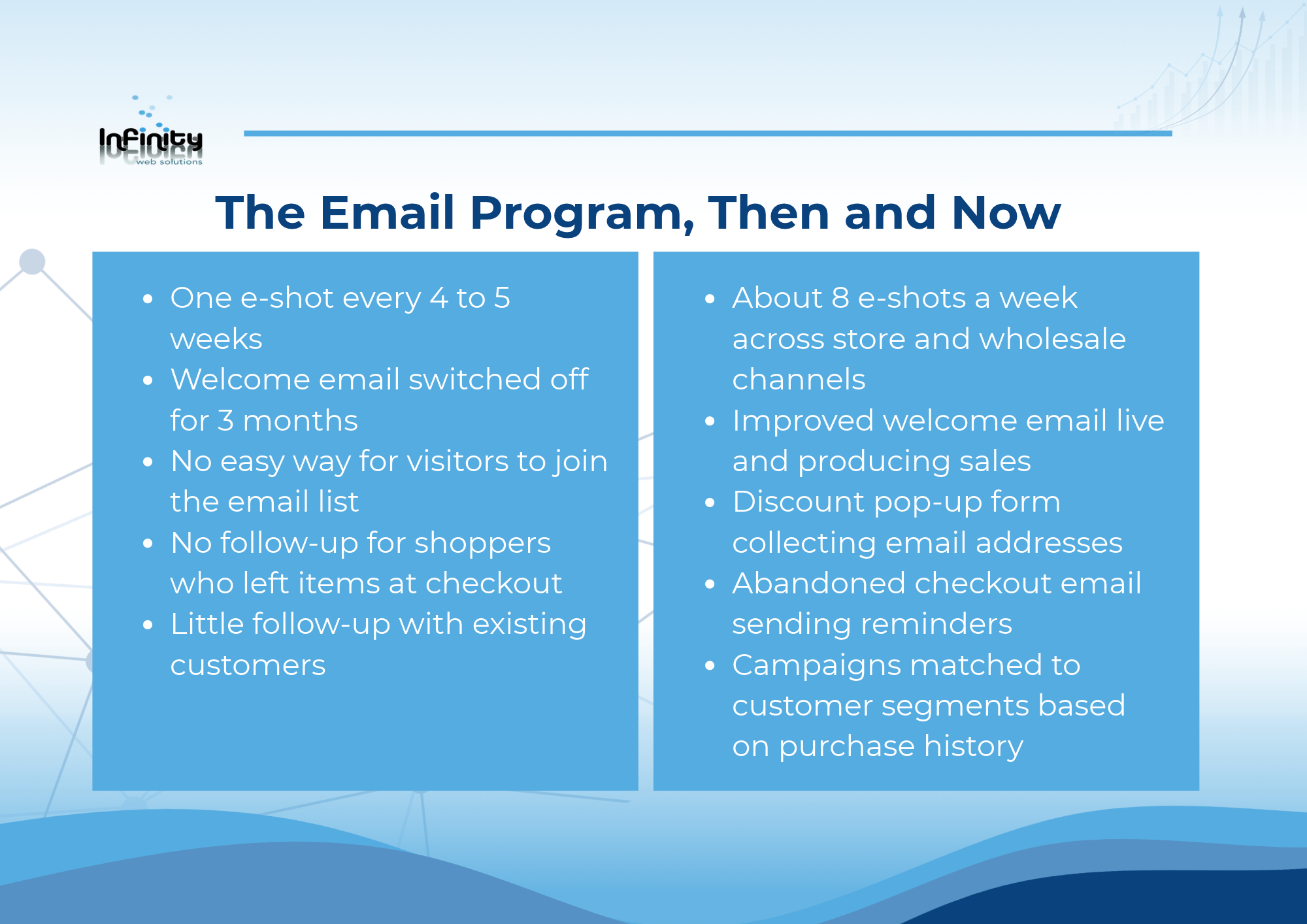
As the product range and sales channels grew, email marketing could not keep pace. Campaigns were going out only about once every four to five weeks, even though regular product launches called for frequent sends. Operational priorities left the internal team little time for copywriting, automation, and campaign scheduling.
Existing customers received limited follow-up after their first purchases. The client initially sought e-commerce back-end support, but during recruitment recognized an opportunity to appoint a part-time specialist whose strongest skills were website and email marketing.
Our Approach
The dedicated virtual assistant (VA) audited the customer journey, identified gaps, secured client approval for each recommendation, and built a repeatable weekly campaign process.
1. Audit the Customer Journey
The VA reviewed existing campaigns and shopper touchpoints, documented missing opportunities, and prioritized improvements before making changes.
2. Revive the Welcome Flow
An automated welcome email had been switched off for three months. The VA rewrote it, reactivated it, and monitored its results.
3. Capture Leads with a Pop-Up
The team added an on-site pop-up offering a discount in exchange for an email address, giving new visitors an easy route onto the mailing list and the business a way to measure sign-ups.
4. Follow Up on Abandoned Checkouts
An abandoned checkout reminder was configured and tested, so customers who left items behind could receive a follow-up message.
5. Build a Weekly E-Shot Schedule
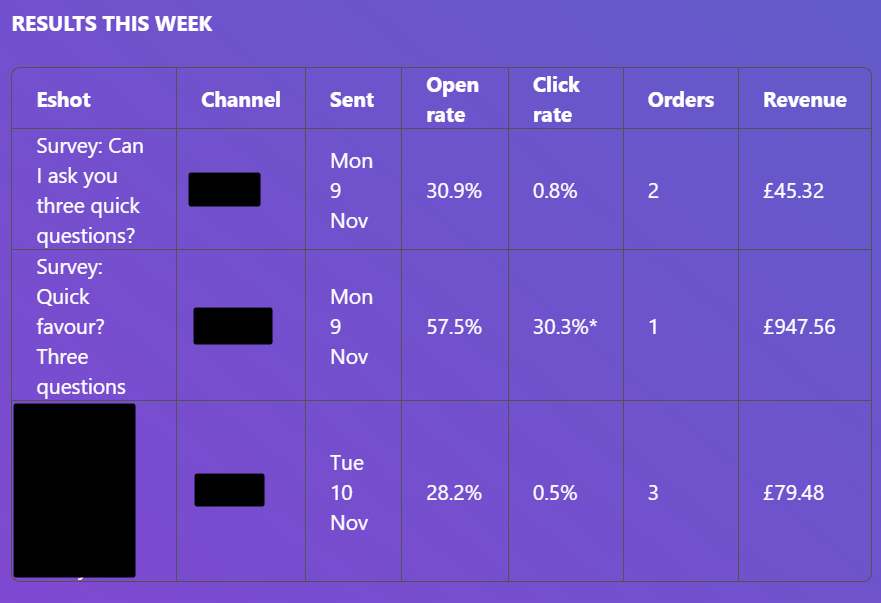
The VA developed a routine of approximately eight e-shots per week across direct-to-consumer and wholesale channels. Messages covered new releases, offers, and seasonal campaigns, with content tailored to audience and purchase history. Each campaign was approved before scheduling and tracked in a weekly results table.
Email Marketing Services Provided
Campaign Copywriting, Design, and Scheduling
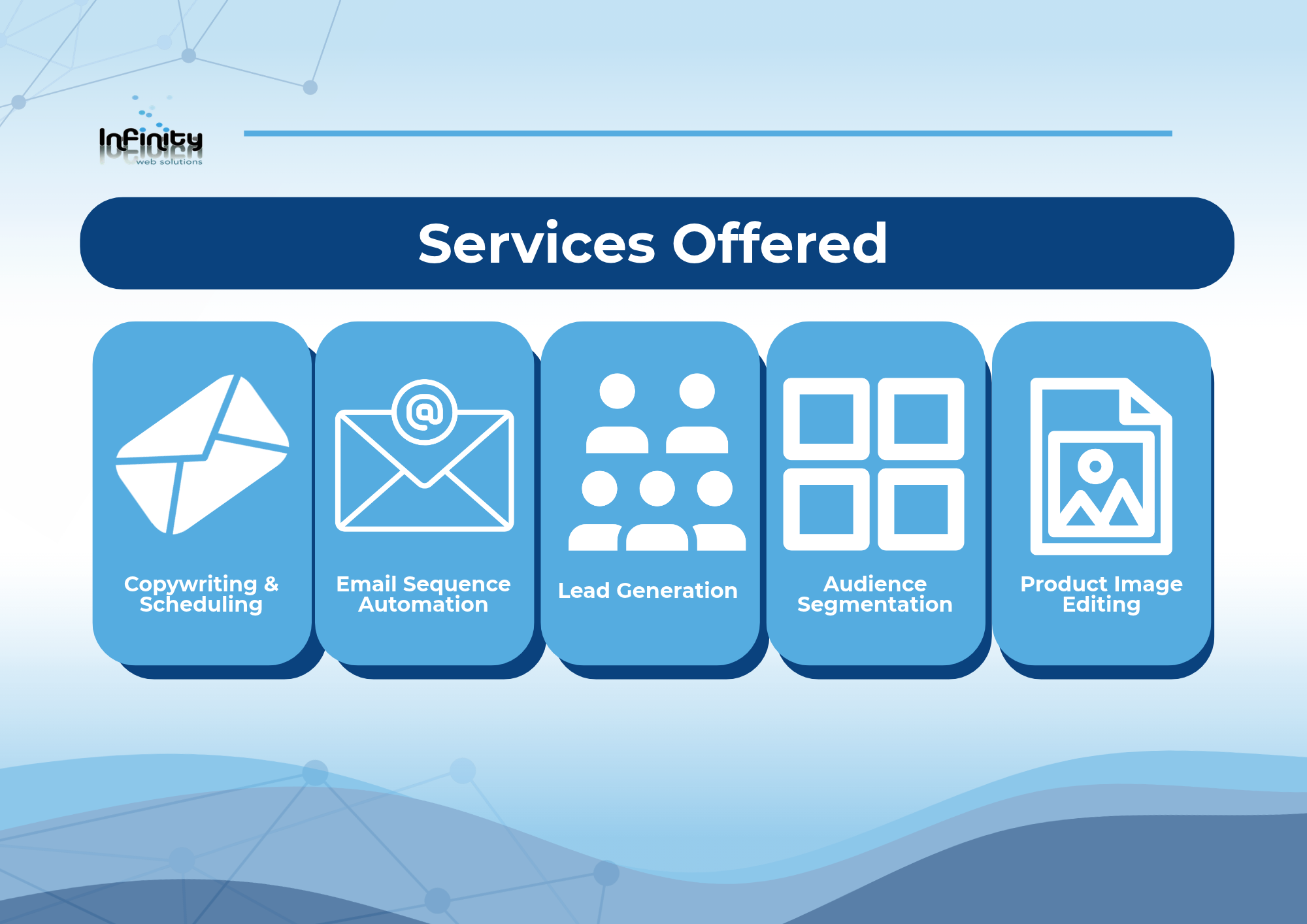
The VA wrote, designed, and scheduled product launches, promotional offers, and seasonal e-shots. An e-shot dashboard documented campaigns in progress, pending approval, and scheduled.
Email Automation
Welcome and abandoned checkout flows were built or restored, tested, and monitored to maintain relevant messaging throughout the customer journey.
Lead Generation and Segmentation
A sign-up pop-up supported list growth, while purchase-history segments helped deliver more relevant product and subscription offers.
Product Image Editing
Product visuals were edited for consistent dimensions and presentation across campaigns.
Results and Business Impact
The engagement produced early gains in automated email performance, campaign consistency, and output during part-time hours.
Key Results at a Glance
- Approximately 8 e-shots per week across consumer and wholesale channels
- 28%–31% consumer email open rates in the first full tracked week
- 58%–61% business email open rates in the same tracked week
- 2.7% click rate for one business product email
- 7 orders attributed to that week’s sends
- 3 customer-journey improvements: welcome email, lead pop-up, abandoned checkout flow
Automation Performance
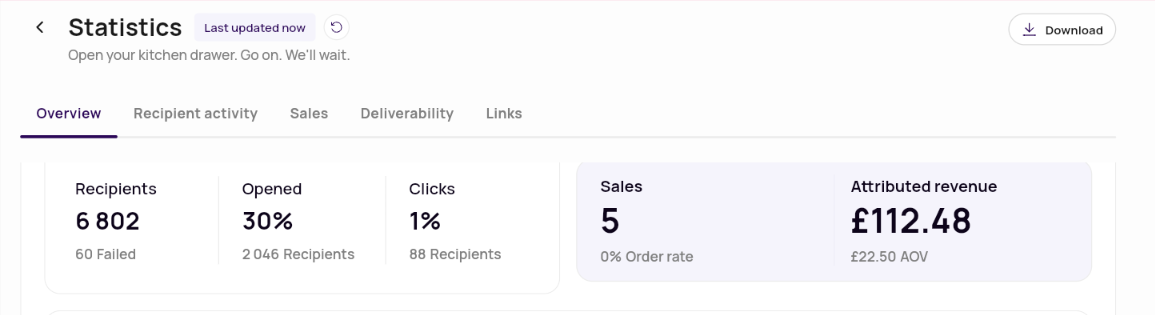
The restored welcome flow began generating sales within its first week after being inactive for three months. The abandoned checkout flow successfully sent its first reminder after testing. Both flows could then operate automatically in the background.
Campaign Performance
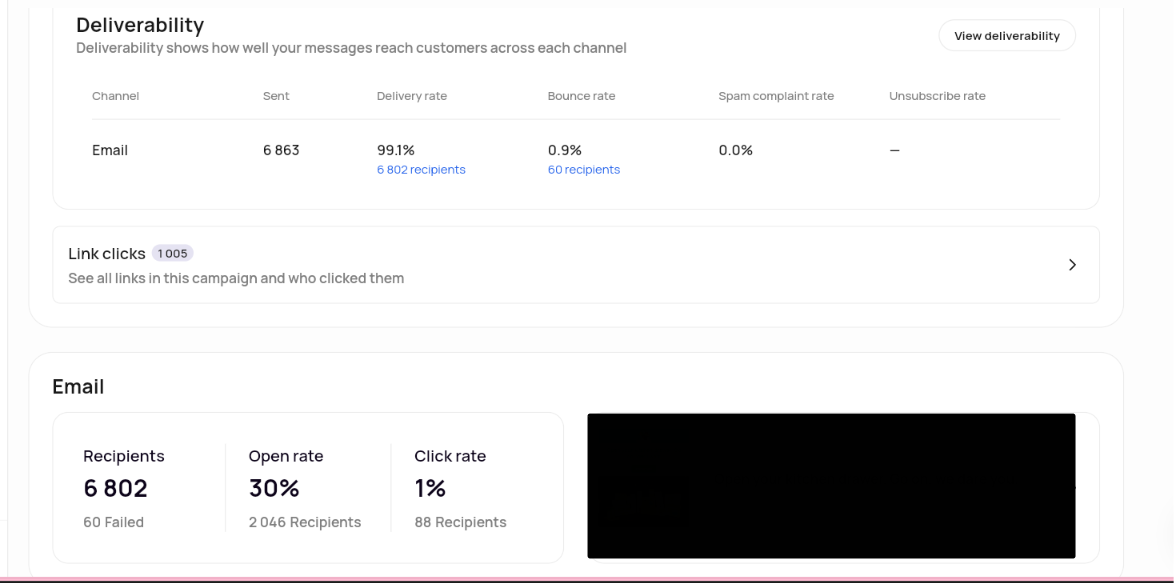
During the first full week of tracked sends, business emails recorded roughly double the open rates of consumer emails. One wholesale order following a business survey email accounted for about three-quarters of that week’s tracked revenue. Because the outcome is based on a single week, it should be treated as an early indicator rather than a long-term benchmark.
Output Within a Part-Time Schedule
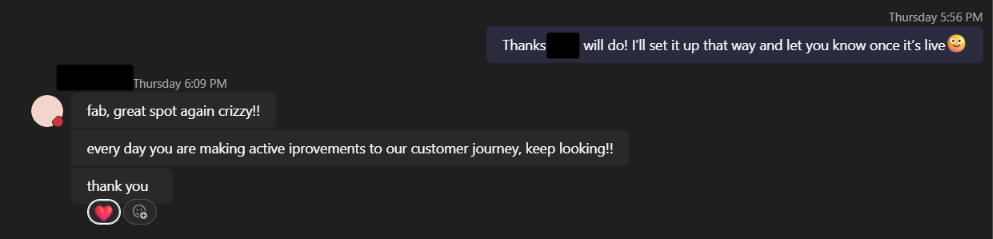
Alongside weekly e-shots, the VA delivered automated flows, a lead capture form, purchase-based segmentation, daily updates, and weekly results reporting. The client specifically commended the improvements to the flows and pop-up.
Key Takeaways
Routine Audits Can Recover Missed Opportunities
The welcome flow remained inactive for three months until it was noticed during regular campaign work. Restoring it resulted in sales within a week, showing why automated journeys deserve regular review.
Part-Time Support Can Deliver an End-to-End Program
A focused scope, approval process, and reliable reporting enabled one part-time VA to manage campaign planning, creative production, automations, segmentation, and performance tracking.
Align the Role with the Specialist’s Strengths
The client originally sought e-commerce operations help but found more value in dedicated email marketing expertise. Matching the scope to the VA’s skills helped address an important gap in the business.
Ready to Get More from Your Email Marketing?
Infinity Web Solutions provides skilled virtual assistants who can write and schedule campaigns, set up automation flows, create lead capture forms, segment audiences, and report results—while keeping your team involved in approvals.
Book a free consultation with Infinity Web Solutions to discover opportunities to improve your brand’s email marketing.